
Endoscopic procedures are among the most valuable tools in modern gastroenterology, allowing physicians to see inside the digestive tract, diagnose conditions accurately, and in many cases treat problems during the same visit. For patients preparing for a procedure for the first time, understanding what each type of endoscopy involves can make the entire experience feel far less intimidating. Working with an experienced endoscopy specialist in Coachella Valley ensures that every step, from initial consultation and preparation to the procedure itself and recovery afterward, is handled with precision, care, and clear communication.
What Is Upper Endoscopy?
Upper endoscopy, also called an EGD, involves passing a thin, flexible tube with a camera through the mouth and down into the esophagus, stomach, and the beginning of the small intestine.
This procedure allows a gastroenterologist in Palm Springs to directly visualize the lining of the upper digestive tract, identify ulcers, inflammation, or abnormal tissue, and collect biopsy samples when necessary.
Patients experiencing chronic heartburn, difficulty swallowing, unexplained weight loss, or persistent upper abdominal pain are often referred for this procedure as part of a thorough diagnostic workup.
Who Needs an Upper Endoscopy?
Patients with symptoms of GERD that do not respond to standard treatment, a family history of esophageal conditions, or unexplained anemia are frequently good candidates for upper endoscopy. A GI doctor can determine whether this procedure is appropriate based on your specific symptoms and medical history, often as a follow-up step after initial evaluation has not provided a clear answer.
What Is a Colonoscopy?
A colonoscopy uses a similar flexible camera-equipped instrument to examine the entire length of the colon and rectum. This procedure is considered the gold standard for colon cancer screening in Palm Springs because it allows physicians to detect and often remove precancerous polyps in the same visit, preventing them from ever developing into cancer.
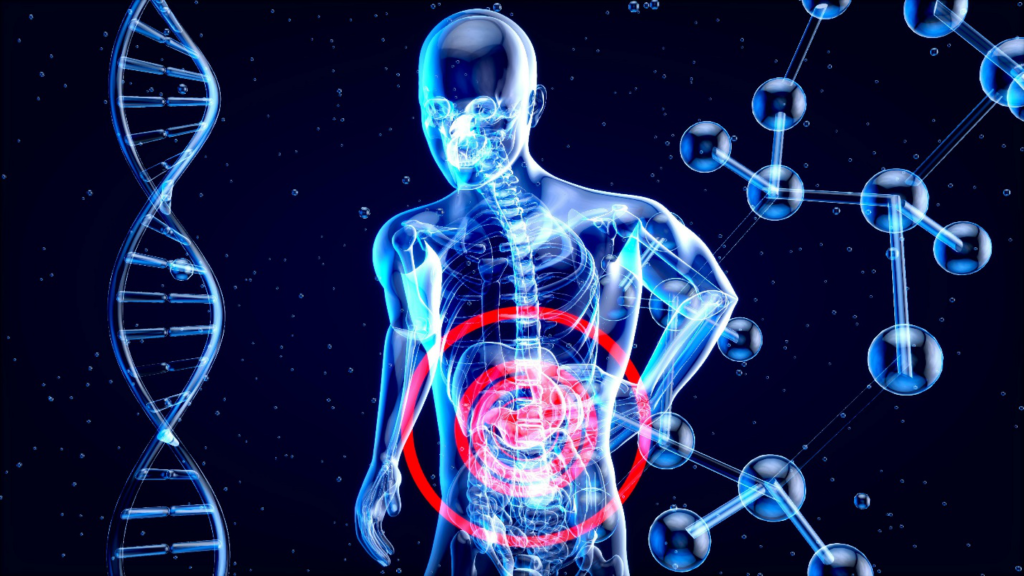
Routine screening colonoscopies are generally recommended starting at age 45, though patients with a family history of colorectal cancer or certain risk factors may need to begin earlier.
What to Expect During Colonoscopy Preparation
Proper bowel preparation is essential for an accurate and complete colonoscopy. Patients typically follow a clear liquid diet the day before the procedure and take a prescribed prep solution to fully clear the colon.
While this step is often the part patients dread most, following instructions carefully significantly improves the quality of the exam and reduces the chance of needing a repeat procedure. Comprehensive gastroenterology services include detailed prep instructions and support to make this process as manageable as possible.
What Is Endoscopic Ultrasound?
Endoscopic ultrasound, or EUS, combines the visual capability of endoscopy with high-frequency ultrasound imaging to examine organs and tissues near the digestive tract in remarkable detail, including the pancreas, bile ducts, and lymph nodes.
This advanced procedure is particularly valuable for evaluating suspicious pancreatic masses, staging certain cancers, and screening high-risk patients for early pancreatic cancer, often before it would be detectable through other imaging methods alone.
Why EUS Matters for Early Detection
Because pancreatic conditions often produce no symptoms until they have already progressed significantly, EUS offers a genuinely critical window for early intervention that standard imaging alone frequently cannot provide.
A gastrointestinal doctor in Palm Springs trained in this advanced technique can identify abnormalities with a level of precision that dramatically improves outcomes for patients at elevated risk, including those with a family history of pancreatic cancer or chronic pancreatitis.
What Is ERCP?
Endoscopic retrograde cholangiopancreatography, or ERCP, is a specialized procedure used to diagnose and treat conditions affecting the bile ducts and pancreatic duct, including gallstones that have moved into the bile duct, strictures, and blockages. Unlike diagnostic-only procedures, ERCP allows physicians to perform treatment during the same session, such as removing stones or placing a stent to relieve a blockage, which often eliminates the need for more invasive surgery entirely.
Who Typically Needs ERCP?
Patients experiencing jaundice, unexplained abdominal pain associated with the bile ducts, or a diagnosis of gallstones affecting the bile duct are common candidates for ERCP.
Because this procedure carries more complexity than routine endoscopy, it should always be performed by a highly experienced gastroenterologist in Coachella, CA with specific training in advanced endoscopic techniques.
How to Prepare for Any Endoscopic Procedure
Regardless of which procedure you are scheduled for, preparation typically involves fasting for a set period beforehand, arranging for a ride home afterward due to sedation, and reviewing current medications with your care team in advance. Following pre-procedure instructions closely helps ensure accurate results and a smoother recovery.
Patients working with a knowledgeable gastroenterology services in Coachella, CA provider receive clear, individualized instructions well ahead of their appointment so nothing is left to guesswork.
What Happens After the Procedure?
Most endoscopic procedures are performed on an outpatient basis, meaning patients go home the very same day after a brief recovery period that allows the sedation to fully wear off.
Mild bloating or a sore throat after upper endoscopy, or temporary cramping after colonoscopy, is common and typically resolves within a day. Your physician will review findings with you, and biopsy results, when applicable, are usually available within about a week.
Why Choosing the Right Specialist Matters
Not all endoscopy providers offer the same level of training, experience, or access to advanced procedures like EUS and ERCP. Working with an experienced gastrointestinal doctor in Coachella, CA who performs a high volume of these procedures directly correlates with better polyp detection rates, more accurate diagnoses, and fewer complications.
Choosing a provider with genuine advanced endoscopic expertise, rather than only routine capabilities, can significantly impact both your diagnosis and your long-term outcomes.
Expert Endoscopic Care in the Coachella Valley
At Oasis Advanced Gastroenterology, we are proud to offer the full range of endoscopic procedures, including advanced techniques like endoscopic ultrasound and ERCP that are not widely available elsewhere in the region. Led by Dr. Mehrdad Asgeri, our team brings over 25 years of specialized training to every procedure we perform, combined with comprehensive gastroenterology care before, during, and after your visit.
Whether you need a routine screening colonoscopy or a more advanced diagnostic procedure, we are here to guide you through the process with clarity and confidence. As a trusted endoscopy specialist in Coachella Valley, we are committed to providing the highest standard of care close to home.
Contact us today to schedule your procedure.